
Before you change grades
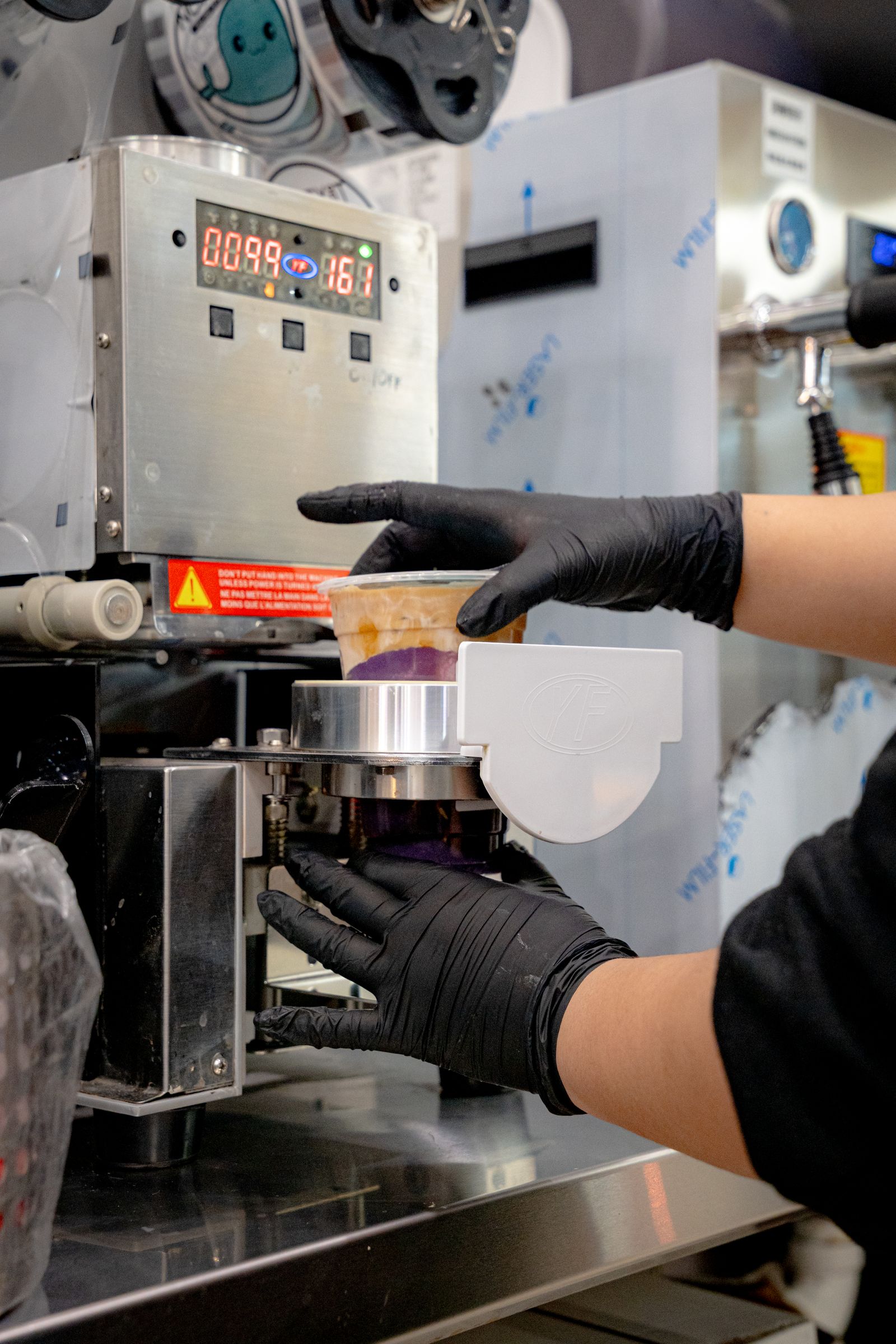
A heat seal coating goes on the lid stock and dries tack-free. The bond forms later, when heat and pressure activate the coating against the cup or tray. The coating, whether water-based, solvent-based or hot melt, is applied and set first; the sealer reactivates it with heat and pressure.
- Seal quality depends on three settings at the seal: temperature, pressure and dwell time.
- The platen temperature is not the temperature at the seal interface.
- Map your seal window on your own lid and cup before you change grades, and run in the middle of it.
- Change one setting at a time, in small steps, within the TDS activation range.
Troubleshooting chart: symptom, likely cause, first fix
| Where | Symptom | Likely cause | First fixes to try | Stock grade named for this fault |
|---|---|---|---|---|
| Sealer | Lid lifts off with no effort; no transfer or only a partial ring | Seal interface not hot enough, dwell too short or pressure too low; low coat weight; coating not matched to the cup or tray material | Raise seal temperature in small steps within the TDS activation range. Add dwell or pressure one setting at a time. Check coat weight against the TDS. Confirm the coating is made for your cup or tray material. | — |
| Sealer | Lid tears, delaminates or leaves lid material on the cup | Seal is stronger than the lid: too much heat, dwell or pressure; or a weld-type seal, not a peel seal | Lower seal temperature in small steps. Shorten the dwell. Map the seal window and run in the middle of it. Ask our lab for a peel-seal grade for your structure. | — |
| Filler | Lids pass cold but leak or lift after a hot fill | Seal opens while still hot; product in the seal area | Keep the seal area clean and dry at filling. Let the seal cool under pressure if your sealer allows. Tell our lab the fill temperature and the product; ask for a grade with hot tack for that condition. | — |
| Coater | Coated rolls block: layers stick, coating picks off or print lifts | Coating not fully dry or web warm at rewind; high rewind tension or humid storage | Dry the coat fully. Cool the web before rewind. Lower rewind tension. Store rolls cool and dry. | 8240 (listed as non-blocking) |
| Sealer | Lid pulls off with the seal head; coating or ink builds up on the head | Outside of the lid does not release from a hot seal head; head too hot or dirty | Clean the seal head. Lower head temperature in small steps. Use a heat-resistant overprint on the outside face. | #8605 (matte overprint, hot release); #8610 (super high heat, glossy 2-part overprint) |
| Coater | On opening, the coating stays on the cup and the lid is bare | Coating did not anchor to the lid stock: untreated film, slip additives, a release surface or a missing primer | Check the film surface with dyne pens. Ask your film supplier about treat level and slip. Use a primer under the heat seal coat. | #8611 (primer for release, slip and untreated films, paper and primed aluminum foil) |
| Sealer / coater | One side of the lid seals well, the other is weak | Platen not flat or level, uneven pressure, or uneven coat weight | Check platen contact with pressure-sensitive paper. Replace worn sealing rubber. Measure coat weight across the web and along it. | — |
| Storage | Seals pass at packing but fail in the cooler or freezer | Coating stiffens at low temperature; oil or acid in the product can attack the seal | Test seals after storage at your real cold temperature, with the real product in the pack. Ask our lab for a grade for cold service and your product. | — |
| Sealer | Reseal lid opens fine but will not reseal | Too much seal heat makes a reseal coating bond like a permanent seal; grade may be a permanent seal; product on the seal area | Lower seal temperature in small steps and stay in the TDS activation range. Confirm the grade is a reseal grade. | 8215 (listed for low-heat reseal on PET and foils) |
| Coater | Dry coat shows streaks, pinholes, craters or gloss changes | Viscosity drift, worn or dirty doctor blade, foam, or coating not wetting the web | Measure viscosity on a schedule and correct to the TDS. Change or clean the doctor blade. Filter the coating. Check the web surface with dyne pens. | — |
| Regulatory | A customer asks for an FDA statement for your lid | The answer depends on the grade, lid structure, food and conditions of use; one statement does not cover every food and use | Tell our lab the lid structure, the food, and the fill and storage conditions. Ask for the grade's regulatory statement in writing before you quote it to a customer. | — |
Each fault is explained in more detail in the full guide to solving heat seal coating and lidding problems.
Coating line or sealer? Start in the right place
Check the coating line first for
- Blocking on the roll
- Coating coming off the lid film or foil (anchorage)
- Streaks, pinholes or uneven gloss
- Uneven coat weight across or along the web
Check the sealer and filler first for
- No seal or a partial ring
- Torn lids instead of a clean peel
- Leaks after hot fill
- Lids sticking to the seal head
- Uneven seal around the lid
- Weak seals after cold storage
- Reseal lids that will not reseal
Stock heat seal grades
Stock grades from our heat seal adhesive page. Call 800-249-0337 for the data sheet with activation temperature and coat weight.
| Product number | Use |
|---|---|
| 8215 | Water-based. Low-heat reseal, PET and foils. |
| 8240 | Water-based. Food packaging, non-blocking. |
| 8300 | Water-based. Yogurt lidding. |
| 8347 | Water-based. Flexible. |
| 8362 | Water-based. Polyester films, extrusion laminating. |
| #8605 | Solvent-based. High heat, matte overprint, hot release. Films, aluminum foils, coated and uncoated papers. |
| #8610 | Solvent-based. Super high heat; glossy 2-part overprint. Coated and uncoated papers, aluminum foils. |
| #8611 | Solvent-based primer. Release, slip and untreated films, paper, primed aluminum foil. |
| #8485 | Solvent-based heat seal coating for films, foils and papers. Tear, bond strength and activation temperature made to order. |
What to send before you call
Tell us the lid stock, the cup or tray material, the product, the fill temperature, and the sealer settings. Our lab can test your substrate and your failed parts.
Request a quote Call 800-249-0337
Related
Full guide: how to solve heat seal coating and lidding problems · How to select heat seal coatings for lidding · Heat seal adhesives · Heat seal for labels and lidding · Peel and reseal lidding · Heat seal for blister packs · How to choose the best treatment method for adhesion to film · How to fix rod coating defects · How to solve common coating flaws in reverse roll coating · How to solve common problems with induction seal cap liners
General plant guidance only — not a substitute for your process, SDS/TDS, or line trials. Call 800-249-0337 to match a grade.